Circularity in Food Sector – March 2026
From Hot Sauce to Circularity: Miris’ Journey Towards a More Circular Food Business
The food industry has an important role to play in building a more sustainable future. From the ingredients we source to the energy we use and the waste we generate, every stage of food production has an environmental impact. Circularity in the food sector is about changing the way we think about resources, it’s about reducing food and plastic waste, using materials for longer, and creating more value from what we already have.
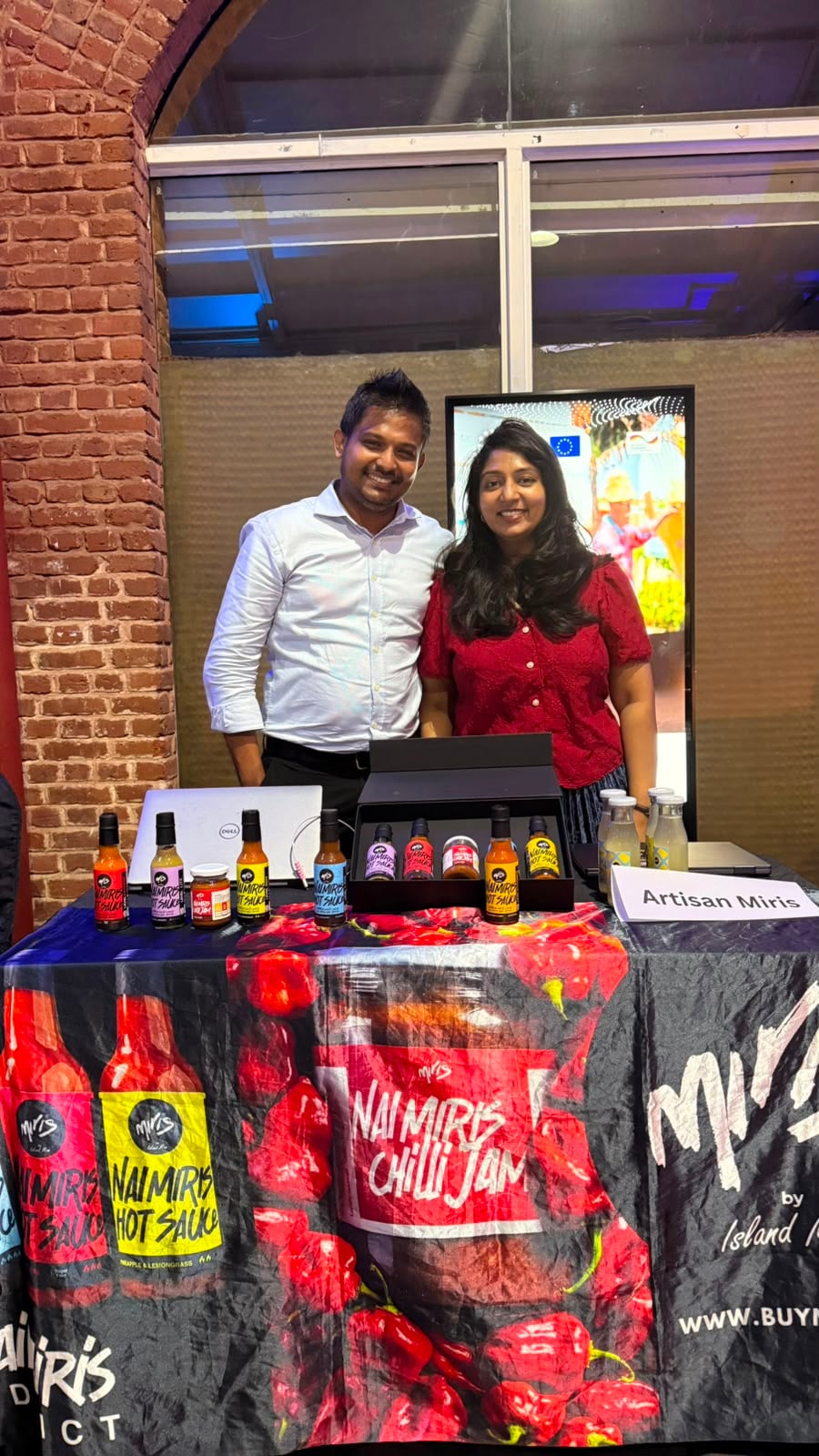
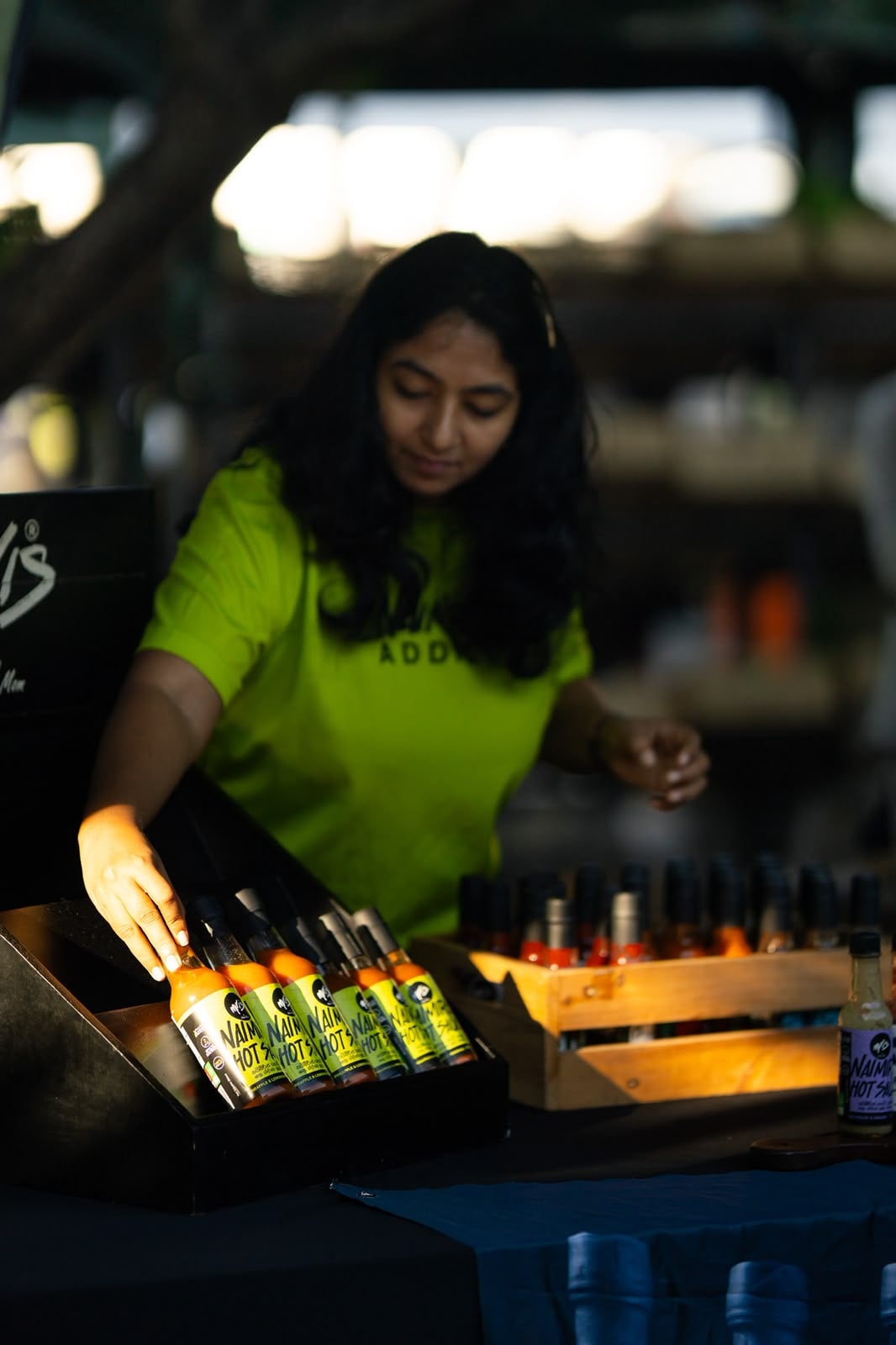
At Miris, circular thinking has been part of our journey from the beginning. As a Sri Lankan hot sauce brand, we work with locally sourced ingredients, smallholder farmers and local suppliers. Over time, we have looked for practical ways to reduce waste, use resources efficiently and make our production process more responsible.
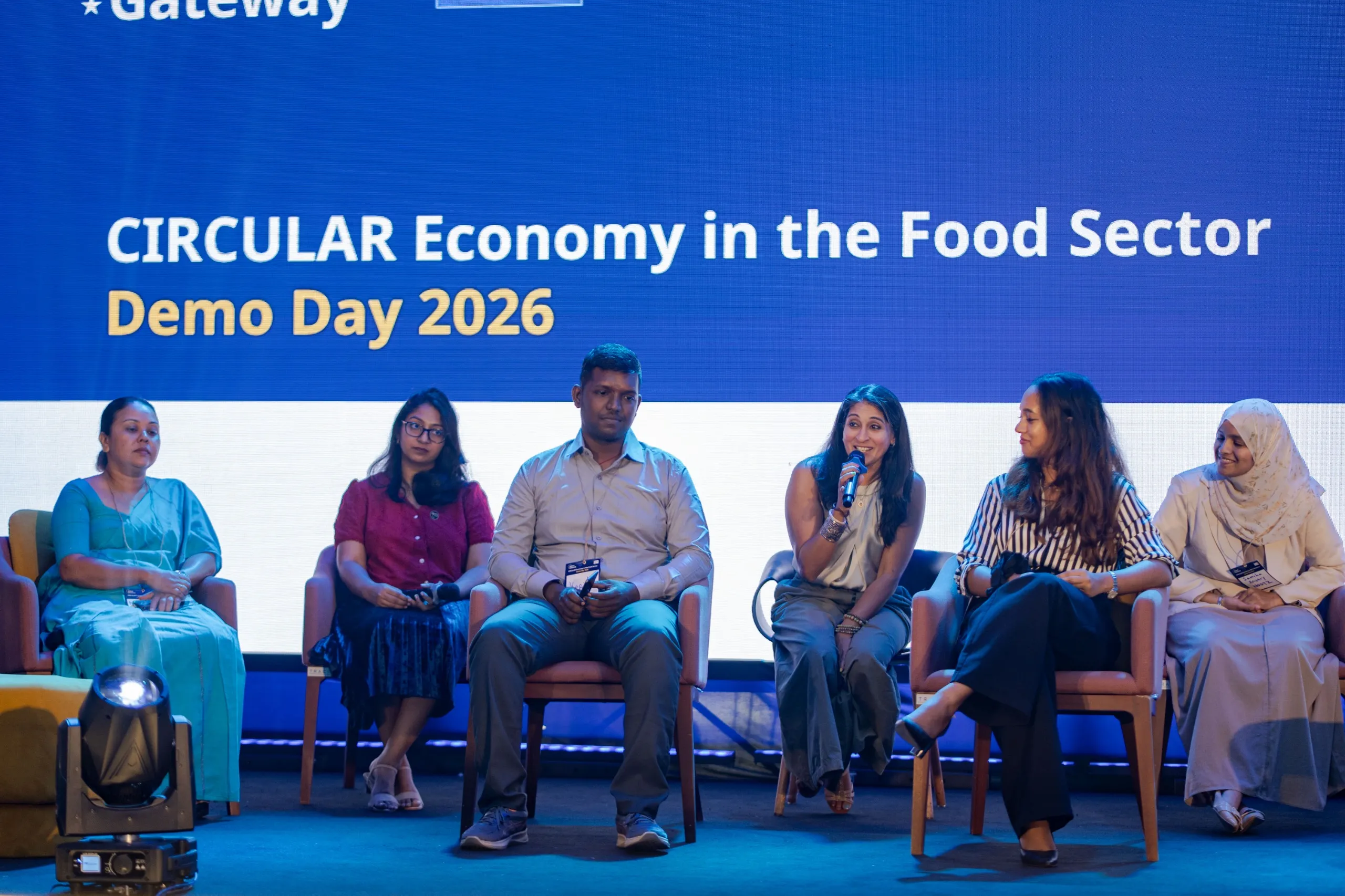
To strengthen this approach, Miris participated in the Circular Economy in the Food Sector programme, conducted with the support of the European Union, GIZ Sri Lanka, Expertise France, FAO and the German Embassy. The programme gave us the opportunity to look at our business through a circular economy lens and identify areas where we could improve.
Turning everyday practices into measurable impact
One of the biggest achievements of the programme was helping us understand that circularity is not only about recycling. It can be integrated into production, energy use, materials, sourcing, waste management and even the way a facility is designed.
Through the programme and our circular economy study, we identified several measurable improvements:
- 53 kg+ of potential vegetable waste avoided annually through better planning and utilisation of raw materials.
- Around 132 kg of plastic avoided annually by eliminating unnecessary plastic from approximately 90% of our production processes.
- 12 kgCO₂e of greenhouse gas emissions reduced, based on the identified circular practices.
- 60% of our production facility is built using reused materials, including desks, chairs, cupboards, racks and work surfaces.
- Around 70% of our facility is designed to make use of natural daylight, reducing the need for artificial lighting.
- Our production is powered by solar energy, helping us reduce our dependence on conventional energy sources.
More than environmental impact
The programme also changed the way we think about business growth. For a small food manufacturer like Miris, circularity has shown us that sustainability and business efficiency can work together.
Most importantly, the programme helped us move from simply having sustainable practices to measuring, understanding and communicating their impact with the help of mentors from different industries.
Our goal is to continue building Miris as a circular hot sauce business from Sri Lanka, the one that creates great products while respecting the people, resources and environment behind them.